


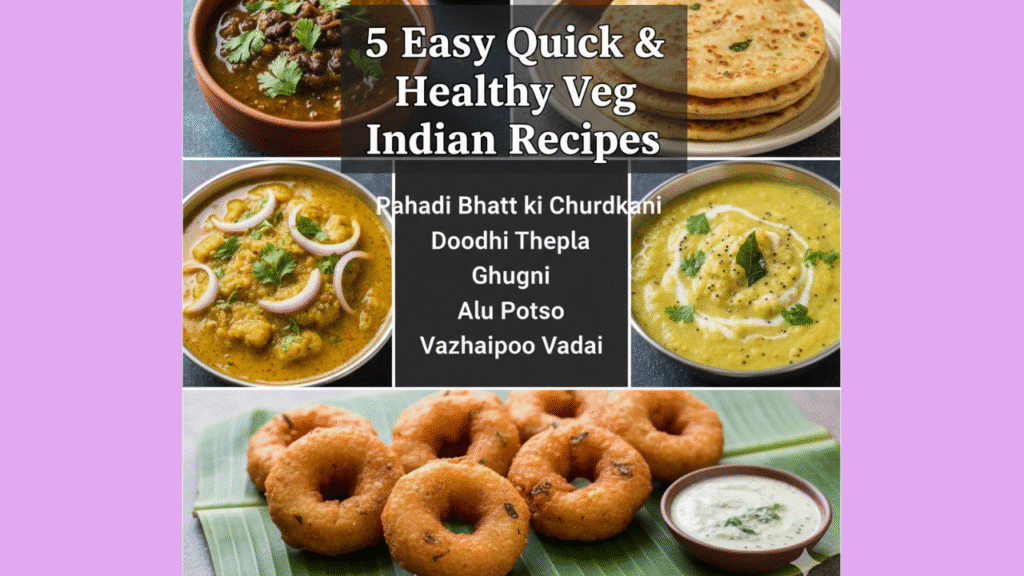
5 Quick & Healthy Veg Indian Recipes: Hello Friends, As of the Title, “5 Easy Quick & Healthy Veg Indian Recipes For Weight Loss and Muscle Building!“, We are going to tell you most healthy, easy and quick Indian recipes that are less-known but Rich in nutrients and minerals! These recipes can be made within 30-40 minutes and contains minimal oil and spices and have delicious! Here are 5 best healthy quick Veg Indian Recipes, Let’s Get Started….
1) Pahadi Bhatt ki Chud-kani
- 🕒 Ready In: 30–40 minutes
- 🍲 Serves: 3–4 people
- 💪 Health Benefits: Rich in protein & iron, Made with minimal oil
Ingredients-
| Ingredients | Quantity | Alternate |
| Black Bhatt Dal (Black Soybean) | 1 cup | Black Urad Dal or Black Masoor Dal |
| Rice flour (for thickening) | 1 tbsp | Wheat flour or Besan (Gram Flour) |
| Mustard Oil | 2 tbsp | Any Cooking Oil (for mild flavor) |
| Cumin Seeds (Jeera) | 1 tsp | Optional |
| Garlic (crushed) | 5–6 cloves | Garlic paste or powder |
| Green Chilies (slit) | 2 | ½ tsp Red Chili Powder |
| Turmeric Powder | ½ tsp | Optional |
| Salt | As per taste | — |
| Water | 3 cups (approx.) | — |
| Coriander Leaves (for garnish) | Few sprigs | Optional |

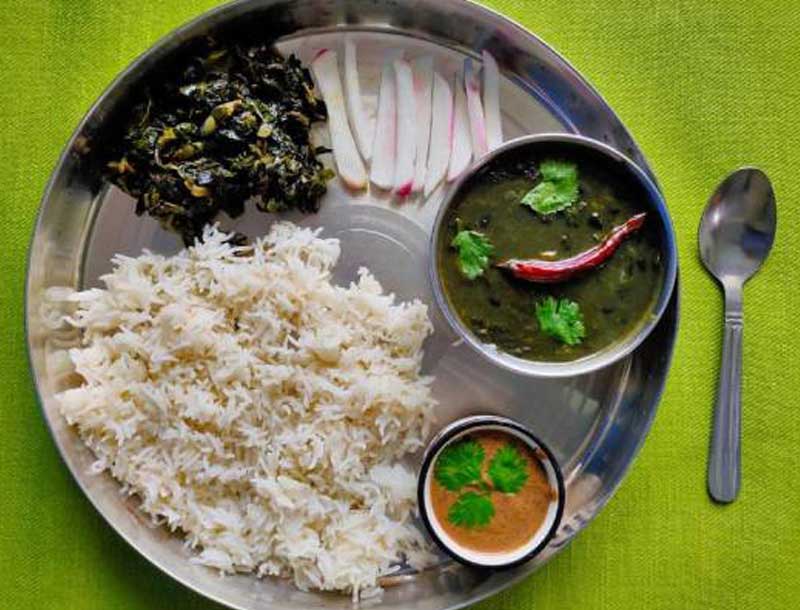
How to Make Traditional Pahadi Bhatt ki Chudkani
Bhatt ki Churdkani is one of those humble mountain dishes that truly reflect the spirit of Uttarakhand’s cuisine — simple ingredients, deep earthy aroma, and nourishment in every spoonful. As a chef, I love this dish because it teaches you patience and balance — both in flavor and technique.
Let’s dive into the steps 👇
Step 1️⃣ – Soak the Bhatt Dal
Begin by washing 1 cup of black bhatt dal (black soybean) thoroughly to remove any impurities.
Then, soak it in 2 cups of water for about 3–4 hours.
If you’re short on time, soaking it in hot water for an hour also works.
💡 Chef’s Note:
The challenge here is getting the soaking right. Bhatt dal has a firm outer skin — if you under-soak it, it won’t soften properly while cooking. Over-soak it, and the dal loses its earthy bite. Aim for that perfect middle ground — slightly softened but not split.
Step 2️⃣ – Boil the Dal
Transfer the soaked dal to a pressure cooker. Add enough water to cover it completely, along with a pinch of salt and turmeric powder.
Cook for 4–5 whistles — you want the dal soft but still holding its shape.
💡 Chef’s Challenge:
Timing is crucial. Every batch of dal cooks differently depending on how old it is. If overcooked, the dal turns mushy and you lose the distinct texture that makes Churdkani special. If undercooked, it stays hard and chewy. Always check one grain between your fingers — it should press easily but not turn pasty.
Step 3️⃣ – Prepare the Tempering (Tadka)
In a kadhai or pan, heat 2 tablespoons of mustard oil until it starts to smoke slightly — that’s when the raw aroma disappears and the flavor deepens.
Add 1 teaspoon cumin seeds, let them crackle, then add crushed garlic and slit green chilies.
Sauté until they turn light golden.
💡 Chef’s Tip:
Don’t rush this step! If your oil isn’t hot enough, the mustard’s sharpness will dominate the dish. If too hot, the garlic will burn and turn bitter. The perfect tadka should smell nutty and aromatic, not sharp.
Step 4️⃣ – Add the Cooked Dal
Now, pour the boiled bhatt dal (along with its water) into the pan.
Stir gently so the tadka blends evenly.
Simmer on low flame for 10–15 minutes, allowing the flavors to mingle and the dal to absorb the smoky mustard aroma.
💡 Chef’s Experience:
At this point, the kitchen starts smelling like the hills — rustic, nutty, and comforting. Keep stirring occasionally, as the dal tends to settle at the bottom and stick if ignored.
Step 5️⃣ – Thicken the Curry
In a small bowl, mix 1 tablespoon rice flour with 3 tablespoons water to form a smooth paste.
Add this to the simmering curry while stirring constantly.
Let it cook for another 5 minutes until the curry slightly thickens and takes on a silky texture.
💡 Chef’s Tip:
Traditionally, Churdkani was slow-cooked in iron pots, which gave the dish its rich blackish-brown hue. You can recreate that effect by cooking it longer on a low flame — patience adds both color and character here.
Step 6️⃣ – Garnish & Serve
Turn off the heat.
Garnish with fresh coriander leaves, and your Bhatt ki Churdkani is ready to serve.
Serve hot with steamed rice, mandua (ragi) roti, or even a bowl of plain curd on the side.
💡 Chef’s Closing Note:
This dish is a perfect example of how minimal ingredients can create magic when handled with respect. The real challenge isn’t technique — it’s learning to cook slowly, just like the Pahadis do, letting every ingredient tell its own story.
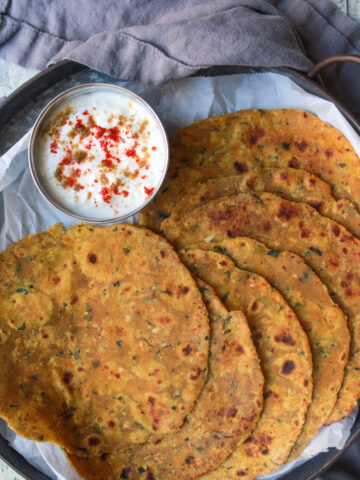
2) Doodhi Thepla (Gujarati Recipe)
A wholesome, soft, and lightly spiced Gujarati flatbread — perfect for breakfast, travel meals, or tiffin boxes. Adding bottle gourd makes it moist, nutritious, and easy to digest.

| Ingredients | Quantity | Alternate |
| Whole Wheat Flour (Atta) | 2 cups | Multigrain flour mix |
| Bottle Gourd (Doodhi/Lauki), grated | 1 cup (medium-sized lauki) | Zucchini (grated) |
| Besan (Gram Flour) | 2 tbsp | Oat flour |
| Curd (Dahi) | 2 tbsp | 1 tsp lemon juice + 1 tbsp water |
| Turmeric Powder | ½ tsp | Optional |
| Red Chili Powder | ½ tsp | Black pepper powder |
| Cumin Seeds | ½ tsp | Carom seeds (ajwain) |
| Ginger-Garlic Paste | 1 tsp | Fresh grated ginger |
| Coriander Leaves (finely chopped) | 2 tbsp | Spinach (finely chopped) |
| Salt | As per taste | — |
| Oil (for dough & cooking) | 2 tbsp + for roasting | Ghee (for richer flavor) |
How to Make Doodhi Thepla
Step 1️⃣ – Grate and Prep the Doodhi
- Peel and grate 1 medium bottle gourd (lauki).
- Squeeze out only a little water (not all) — the remaining moisture helps in kneading.
💡 Chef’s Note:
If you remove too much water, the theplas turn dry. Keep it slightly moist for soft, flavorful results.
Step 2️⃣ – Make the Dough
In a large mixing bowl, combine:
- 2 cups wheat flour
- 2 tbsp besan
- ½ tsp turmeric
- ½ tsp red chili powder
- ½ tsp cumin seeds
- 1 tsp ginger-garlic paste
- 2 tbsp curd
- 2 tbsp chopped coriander leaves
- Salt to taste
- Add the grated doodhi and mix well.
Now knead the dough gently — the doodhi water itself will help form the dough, but add a little water if needed.
Add 1 tbsp oil at the end and knead again until smooth.
Rest the dough for 10 minutes.
Step 3️⃣ – Roll Out the Theplas
- Divide the dough into small balls.
- Roll each ball into a medium-thin circle using dry flour to prevent sticking.
💡 Chef’s Challenge:
Doodhi dough can be sticky due to moisture. Dust with flour often but not excessively, or the theplas will become hard.
Step 4️⃣ – Cook the Theplas
- Heat a tawa (griddle) on medium flame.
- Place the rolled thepla and cook one side until light brown spots appear.
- Flip and apply a few drops of oil or ghee.
- Cook both sides evenly until golden.
Repeat for all theplas.
Step 5️⃣ – Serve & Enjoy
Serve hot with:
- Plain curd or raita
- Pickle
- Masala chai for a true Gujarati breakfast vibe.
💡 Chef’s Tip:
Doodhi Theplas stay soft for up to 2 days, making them perfect for travel or tiffin. Add a touch of methi (fenugreek leaves) next time for a delightful twist.
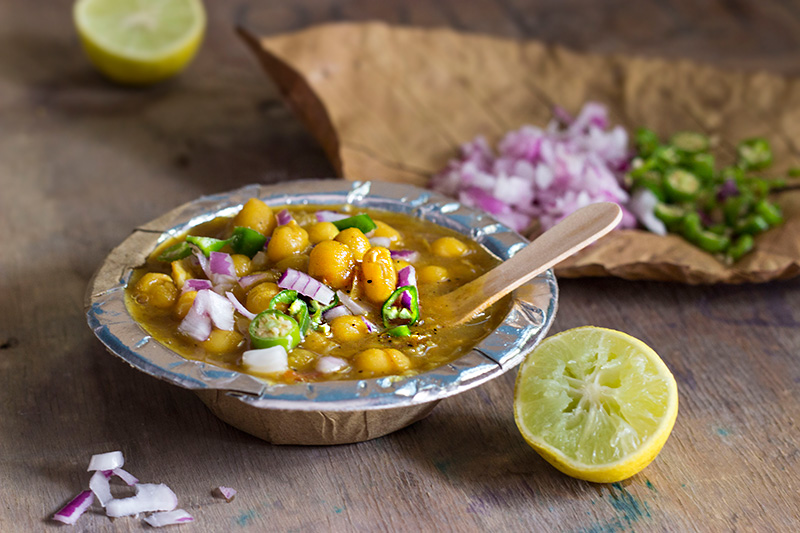
3) Ghugni (Cuisine Of Bihar)
A light, protein-rich curry made from dried yellow peas — flavorful, tangy, and perfect for breakfast, evening snacks, or with puffed rice (murmura).
It’s a wholesome street-style dish that’s healthy, hearty, and quick to prepare.

| Ingredients | Quantity | Alternate |
| Dried Yellow Peas (Safed Matar) | 1 cup | White Chickpeas (Chana) or Green Peas |
| Onion (finely chopped) | 1 medium | Shallots or spring onions |
| Tomato (finely chopped) | 1 medium | ½ cup tomato puree |
| Ginger-Garlic Paste | 1 tsp | Fresh grated ginger & garlic |
| Green Chilies (slit) | 1–2 | ½ tsp red chili powder |
| Cumin Seeds | ½ tsp | Mustard seeds |
| Turmeric Powder | ½ tsp | Optional |
| Coriander Powder | 1 tsp | Curry powder |
| Garam Masala | ½ tsp | Chaat masala |
| Salt | As per taste | — |
| Oil (mustard preferred) | 2 tbsp | Any vegetable oil |
| Water | 2½ cups (for boiling) | — |
| Lemon Juice | 1 tsp | Tamarind water |
| Fresh Coriander Leaves | For garnish | Mint leaves |
How to Make Ghugni
Step 1️⃣ – Soak and Boil the Peas
- Wash and soak 1 cup dried yellow peas overnight or for at least 6–8 hours.
- Drain and add to a pressure cooker with 2 cups water and a pinch of salt.
- Pressure cook for 3–4 whistles until the peas are soft but not mushy.
💡 Chef’s Note:
If you skip soaking, the peas will remain hard — patience is key here! The texture should be soft enough to crush slightly between your fingers.
Step 2️⃣ – Prepare the Masala Base
- Heat 2 tbsp oil (preferably mustard oil) in a pan.
- Add ½ tsp cumin seeds, let them crackle.
- Add chopped onions, and sauté until golden brown.
- Stir in ginger-garlic paste and sauté for a minute.
- Add chopped tomato, turmeric, coriander powder, and salt.
- Cook until the masala releases oil and becomes thick.
💡 Chef’s Challenge:
Tomatoes must be cooked until soft and pulpy — undercooked tomato gives a raw, sour taste. The trick is low flame and patience!
Step 3️⃣ – Combine Peas and Masala
- Add the boiled peas with some of the water used for boiling.
- Mix well, adjust consistency — Ghugni should be semi-thick.
- Add garam masala and tamarind pulp or lemon juice for that signature tang.
- Simmer for 10 minutes on low heat, stirring occasionally.
Step 4️⃣ – Garnish & Serve
- Turn off the flame.
- Garnish with fresh coriander leaves, chopped onions, and a squeeze of lemon juice.
Serve hot with:
- Puffed rice (murmura) for a street-style snack, or
- Poori / Luchi for a hearty meal.
🧡 Chef’s Final Touch
A true Ghugni should have a balance of spice, tang, and warmth — the kind that comforts without feeling heavy.
For a smoky twist, drizzle a few drops of raw mustard oil on top just before serving — that’s the secret flavor every Eastern chef swears by!
4) Alu Posto (The Taste Of Bengal)
A light and comforting Bengali dish made from potatoes cooked in a rich poppy seed (khus khus/posto) paste — mildly spiced and bursting with flavor.
Best enjoyed with steamed rice and dal on a lazy afternoon.
| Ingredients | Quantity | Alternate |
| Potatoes (peeled & cubed) | 3 medium | Sweet potatoes (for twist) |
| Poppy Seeds (Posto/Khus Khus) | 3 tbsp | White sesame seeds + cashew blend |
| Green Chilies | 2–3 | 1 tsp chili flakes |
| Mustard Oil | 2 tbsp | Vegetable or sunflower oil |
| Nigella Seeds (Kalonji) | ½ tsp | Cumin seeds |
| Turmeric Powder | ¼ tsp | — |
| Salt | As per taste | — |
| Water | ½ to 1 cup (as needed) | — |
| Coriander Leaves (optional) | For garnish | Spring onions |


How to Make Aloo Posto (Step-by-Step)
Step 1️⃣ – Soak & Grind the Posto
- Soak 3 tbsp poppy seeds in warm water for 20 minutes.
- Drain and grind them into a smooth paste using very little water.
- Add 1 green chili while grinding for an authentic Bengali kick.
💡 Chef’s Tip:
Do not over-grind or heat the poppy seeds — it releases bitterness. Keep the paste white and creamy.
Step 2️⃣ – Fry the Potatoes
- Heat 2 tbsp mustard oil in a pan until lightly smoky.
- Add ½ tsp nigella seeds (kalonji) and let them splutter.
- Add 3 medium cubed potatoes, a pinch of turmeric, and salt.
- Sauté on medium flame until potatoes turn slightly golden.
Step 3️⃣ – Add Posto Paste
- Add the prepared poppy seed paste to the fried potatoes.
- Stir gently so that the paste coats the potatoes evenly.
- Add ½–1 cup water depending on how dry or gravy-like you want it.
- Cover and cook for 8–10 minutes, until the potatoes are soft and the gravy thickens.
💡 Chef’s Note:
For dry-style Aloo Posto, reduce the water — the authentic version is semi-dry and creamy, not soupy.
Step 4️⃣ – Garnish & Serve
- Adjust salt, drizzle a few drops of raw mustard oil for that extra zing.
- Garnish with chopped coriander (optional).
Serve hot with:
- Steamed rice & dal, or
- Luchi / Paratha for a traditional Bengali meal.
🌿 Chef’s Final Words
Aloo Posto is simplicity at its best — 3 main ingredients, 15 minutes, and total comfort.
It’s light on the stomach, naturally vegan, and rich in calcium from poppy seeds.
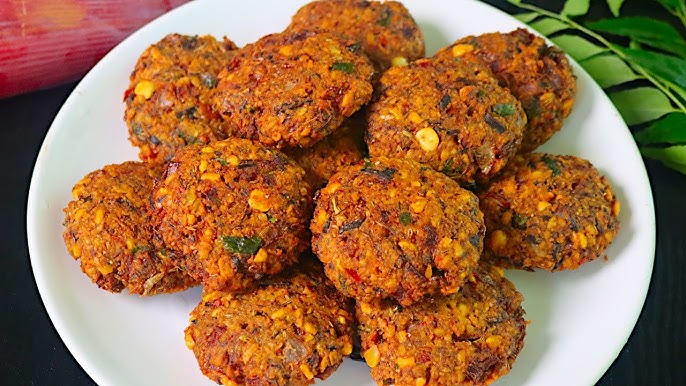
5) Vazhaipoo Vadai (Southern Taste Of India)
A traditional Tamil snack made using banana blossom (vazhaipoo), chana dal, and aromatic spices.
Perfect for evenings with tea — crispy outside, soft inside, and super nutritious!

| Ingredients | Quantity | Alternate |
| Banana Flower (Vazhaipoo), finely chopped | 1 cup | Finely chopped spinach or cabbage |
| Chana Dal (Bengal Gram) | 1 cup (soaked for 2 hours) | Split moong dal or toor dal |
| Onion (finely chopped) | 1 medium | Shallots or spring onions |
| Green Chilies | 2 | ½ tsp red chili flakes |
| Ginger (grated) | 1 tsp | Ginger paste |
| Fennel Seeds | 1 tsp | Cumin seeds |
| Curry Leaves (chopped) | 6–8 leaves | Coriander leaves |
| Salt | As required | — |
| Oil | For deep frying | — |
| Water | As needed (for grinding) | — |
How to Make Vazhaipoo Vadai (Step-by-Step)
Step 1️⃣ – Clean the Banana Flower
- Remove the purple petals and separate the florets.
- Clean each floret by removing the stigma and plastic-like calyx.
- Finely chop and soak in water mixed with a little buttermilk or lemon juice to prevent discoloration.
💡 Chef’s Challenge:
Cleaning the banana flower is the trickiest part — patience is key. If it’s your first time, do it while watching a movie!
Step 2️⃣ – Prepare the Dal Mixture
- Drain soaked chana dal completely.
- Grind coarsely (not smooth!) with green chilies, ginger, fennel seeds, and salt — avoid adding water.
- Add chopped onions, curry leaves, and banana flower pieces to this mixture.
- Mix well — the texture should be slightly coarse and moldable.
Step 3️⃣ – Shape the Vadai
- Take small lemon-sized portions and flatten them into discs (around 2 inches wide).
- Keep all shaped vadas ready on a plate before frying.
Step 4️⃣ – Fry the Vadai
- Heat oil in a deep frying pan on medium flame.
- Drop 3–4 vadas at a time and fry until golden brown and crisp.
- Drain excess oil on paper towels.
💡 Chef’s Note:
If the vadas break while frying, the mixture might be too wet — add a spoon of rice flour or besan to bind.
Step 5️⃣ – Serve Hot
- Serve the crispy Vazhaipoo Vadai with coconut chutney or tomato ketchup.
- Perfect for tea-time or festive snacks.
🌿 Chef’s Final Words
Vazhaipoo Vadai isn’t just delicious — it’s packed with iron, fiber, and antioxidants from banana flowers.
A South Indian home classic that deserves a place on every health-conscious plate.